
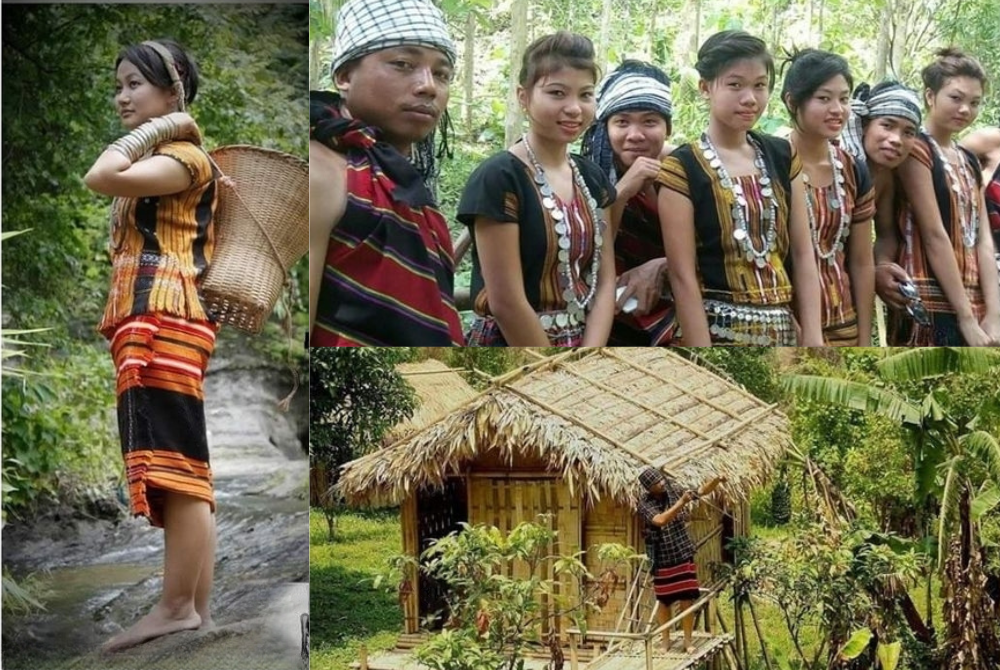
The Bawm people (also written Bom or Bawmzo) are a small indigenous community who live mainly in the hills of Bandarban District, in the Chittagong Hill Tracts of Bangladesh. The 2022 census counted 13,193 Bawm people in Bangladesh, and about 90% of them live in Bandarban, especially in Ruma Upazila. They speak the Bawm language, part of the Kuki-Chin branch of the Sino-Tibetan family, and most are Protestant Christians today.
Near Boga Lake, a visitor might meet a Bawm family selling woven cloth by the road, or walk through Munlai Para, a village often praised for how clean it is. Behind these small moments is a community with its own language, dress, songs and history, and a story of change that spans only about a hundred years. This guide introduces the Bawm people of Bangladesh with facts, sources and a note on respectful travel.
The Bawm People at a Glance
- Also known as: Bom, Bawmzo (the community’s own name is Bawm)
- Where they live: Bandarban District, with a few in Belaichhari, Rangamati, in the Chittagong Hill Tracts
- Population in Bangladesh: 13,193 (2022 census)
- Largest concentration: Ruma Upazila, with 6,470 Bawm people
- Language: Bawm, a Kuki-Chin language
- Religion: Mostly Protestant Christian
- Traditional livelihood: Jhum (hill) cultivation
The Bawm People: A Unique Ethnic Community
The Bawm are one of the smallest ethnic groups in Bangladesh. Wikipedia, citing the 2022 census, reports 13,193 Bawm people in the country, of whom 11,854 (about 89.85%) live in Bandarban. The numbers by upazila are: Ruma 6,470, Bandarban Sadar 2,748, Rowangchhari 1,882, Thanchi 685 and Belaichhari 356. Smaller Bawm communities live in Myanmar (about 2,500) and in India, where estimates range from a few thousand to around 5,000.
According to Banglapedia, the word “Bawm” means “ties”, an idea rooted in a culture where hunting, singing, dancing, eating and worship were done together. Banglapedia says they live in about 70 villages in Ruma, Thanchi, Rowangchhari and Bandarban Sadar.
The Bawm language belongs to the Kuki-Chin group of Sino-Tibetan languages. Many Bawm people also speak Bengali and the Chittagonian dialect. In 2018, during a centenary gathering, a Bawm language dictionary was released, as AsiaNews reported.
Bawm Settlements: Tracing Their Roots
The Bawm trace their origin to the Chin Hills in what is now Myanmar. One account links their beginnings to a village called Tiphul. They moved north through the Lushai Hills and later reached the hill country of today’s Bangladesh. The period is roughly estimated at between 900 and 1500 CE, and the exact reasons for the move are unknown. Some writers think pressure from stronger neighboring groups may have played a part.
The Bawm are one of several Kuki-Chin peoples in these hills. Outsiders have sometimes used labels such as “Kuki” or “Lai” for them, but the community’s own name is Bawm. Today, they live in hill villages with bamboo-and-timber houses called machang, built on raised platforms, as Banglapedia describes. Bawm society has a customary social system of its own and has long settled many disputes within the community.
Daily Life and Culture
- Livelihood: The main occupation is jhum cultivation on hill slopes, where families grow rice, maize, vegetables, turmeric and ginger. Banglapedia notes that scarce land and deforestation have affected this way of life, and many Bawm children now go to school.
- Clothing: Bawm weavers make cloth on the waist loom. Women wear a decorated wraparound skirt called nufen, and men wear laikor and rentak, according to the Daily Asian Age.
- Bamboo dance: A well-known part of Bawm culture is the bamboo dance. Banglapedia says it is performed when there is a tragedy in the family, to console the mourners.
- Songs, dances and festivals: Traditional songs and dances are still performed. Many Bawm people celebrate Christmas as their main festival, and in recent years, younger people have worked to revive older customs.
For more on handmade crafts of Bangladesh, see our guide to arts and crafts.
Religious Transformation: The Impact of Christianity
Before Christianity arrived, the Bawm people followed traditional beliefs centered on spirits of nature, such as trees, rain, sun and rocks, as AsiaNews describes. In December 1918, a Welsh missionary named Edwin Rowlands visited a Bawm village, and that visit is remembered as the start of the Christian story among the Bawm. The first conversions followed over the next decade or so, and the community held a centenary celebration in 2018. A Wikipedia entry notes that missionary work from that period led most Bawm people to adopt Christianity.
Today, the majority of Bawm people are Protestant Christians. Wikipedia lists Bawm pastors and elders serving in several churches, including the Evangelical Christian Church, the Presbyterian Church in Bangladesh, the Church of Christ and others. Many Bawm people say Christianity helped bring schooling and new opportunities, while a growing number also work to protect their older songs, dances and stories.
Meeting the Bawm People Respectfully
Many travelers meet Bawm communities on the way to Boga Lake and Munlai Para in Ruma Upazila. The hills around them are also covered in our guides to the hidden waterfalls and hill trails of Bandarban and to Rangamati and Khagrachari.
- Ask before you photograph people, homes, churches or ceremonies.
- Dress modestly, and be quiet near churches and during services.
- Buy local crafts and food directly from villagers, and pay a fair price.
- Take your waste with you and follow village rules on cleanliness.
- Check access first. In recent years, security operations led to long travel bans in parts of Ruma and Thanchi. Rules can change quickly, so confirm them with the Bandarban district administration or a licensed guide.
Frequently Asked Questions About the Bawm People
Who are the Bawm people?
The Bawm people, also called Bom or Bawmzo, are a small indigenous community who live mainly in Bandarban District in the Chittagong Hill Tracts of Bangladesh.
How many Bawm people live in Bangladesh?
The 2022 census counted 13,193 Bawm people in Bangladesh, and about 90% of them live in Bandarban District.
Where do the Bawm people live?
Most live in Bandarban District, especially in Ruma Upazila, as well as in Bandarban Sadar, Rowangchhari and Thanchi. A few live in Belaichhari, Rangamati.
What language do the Bawm people speak?
They speak Bawm, a Kuki-Chin language in the Sino-Tibetan family. Many also speak Bengali and the Chittagonian dialect.
What religion do the Bawm people follow?
Most Bawm people today are Protestant Christians. Before Christianity, they followed traditional beliefs, and Christian missionary contact began in December 1918.
What does the word Bawm mean?
According to Banglapedia, “Bawm” means “ties”, reflecting a culture of doing many things in life together.
Where can I meet Bawm communities as a traveler?
Many visitors meet Bawm villagers around Ruma, Munlai Para and Boga Lake in Bandarban. Check the current access rules and travel respectfully.
Final Thoughts on the Bawm People
The Bawm people are small in number but large in story: a language of their own, a close-knit way of life and a hundred years of rapid change in faith and learning. If you travel to the hills, go as a guest, ask questions, listen and leave kindly. For more ideas, explore our places to visit in Bangladesh, our culture stories and our travel experiences.