
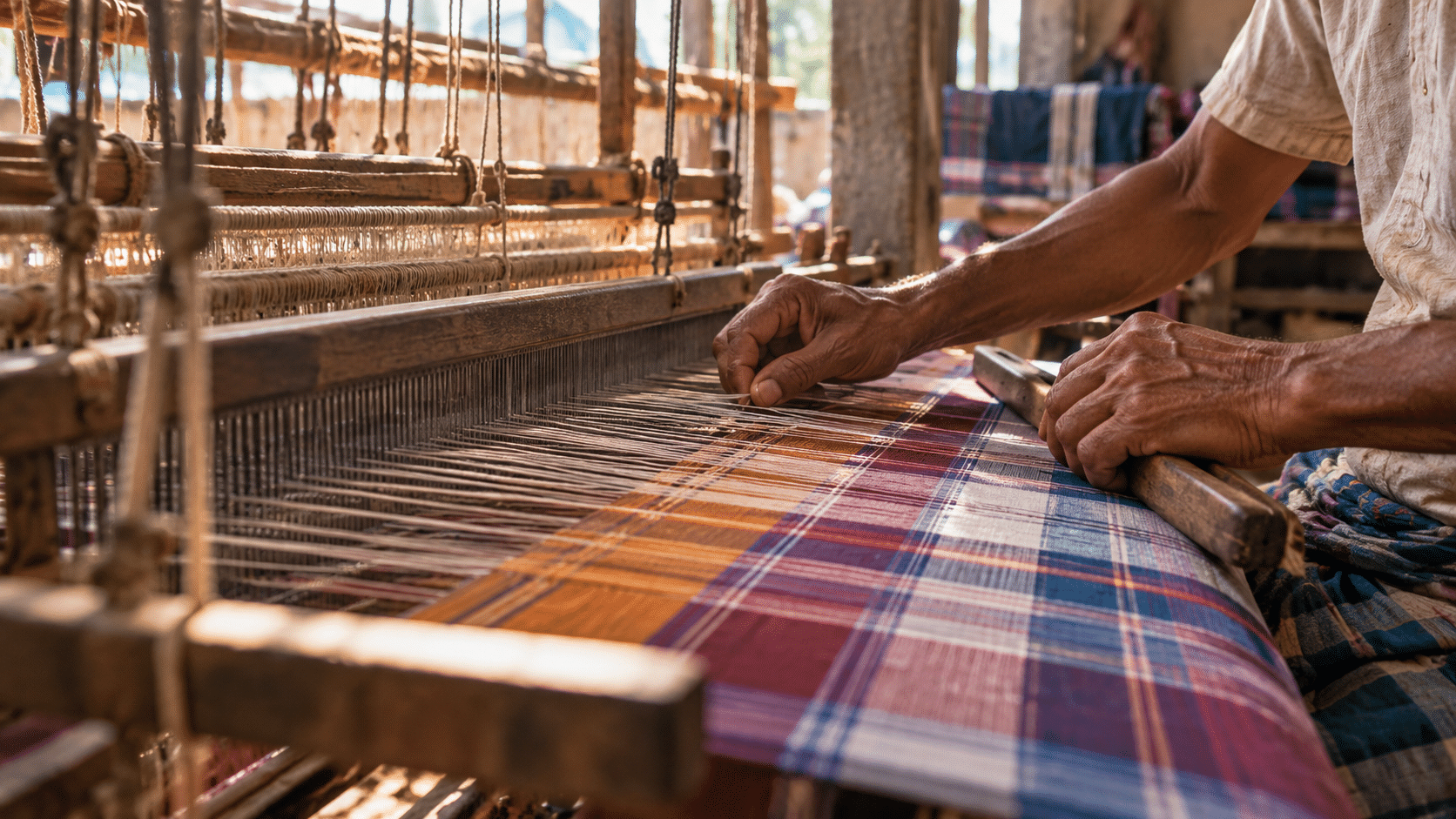
The Narsingdi textile market is the heartbeat of a district that Bangladeshis have long nicknamed the Manchester of Bangladesh. Walk into the Narsingdi textile market at Madhabdi or the busy Babur Haat area and you will hear looms clacking, traders bargaining and bundles of fresh fabric moving from hand to hand. Narsingdi is famous for lungi, saree and gamcha, along with bed sheets and curtains, and this is where much of it is made and sold.
Why the Narsingdi Textile Market Is Special
Many families in this region have woven cloth for generations. Handloom and powerloom units sit inside homes, small factories and courtyards, and the finished fabric travels to shops across the country. Visiting the Narsingdi textile market is less like going to a mall and more like walking through a living supply chain, from yarn to loom to shop counter.
If you only know Narsingdi from a train window, this side of the district will surprise you. Textile here is not a tourist show. It is daily work, family business and local pride, which is exactly why it makes a good visit.
Madhabdi: The Cloth Town
Madhabdi is the best-known name in the story of the Narsingdi textile market. The area is packed with wholesale and retail shops selling cloth by the piece and by the bundle. It is a great place to see how pricing works: the more you buy, the better the rate usually gets.
What to Look For
- Cotton lungi in checks and bold colours.
- Gamcha, the everyday thin cotton towel loved across Bangladesh.
- Sarees for daily wear and gifting.
- Bed sheets, curtains and plain grey fabric for tailoring.
A Simple Shopping Story
Imagine a shopkeeper in Madhabdi holding up a checked lungi against the light. He tells you it was woven just a few days ago, a few kilometres away. That short chat is the real charm of the Narsingdi textile market: you meet the people behind the product, and you take home a story along with the cloth.
Babur Haat: The Big Weekly Crowd
Sekerchar Babur Haat is often described as one of the biggest cloth markets in Bangladesh. On a busy haat day, buyers and sellers arrive in large numbers, and the whole place feels like a festival of fabric. Because haat days can change, ask a local in Narsingdi town which day works best before you go.
How to Enjoy the Narsingdi Textile Market
- Go early. Mornings are cooler, and the best pieces at the Narsingdi textile market go first.
- Bargain politely. A friendly smile works better than a hard stare.
- Check the weave. Hold the cloth up to the light and feel the thread.
- Ask for a loom visit. Some workshop owners are happy to show you how the cloth is made.
- Keep cash handy. Many traders prefer cash.
What Makes the Narsingdi Textile Market Worth a Detour
Textile trade shapes the town’s roads, shops, workshops and daily rhythm. Even if you buy nothing, the Narsingdi textile market shows you how a local craft turns into a district identity. For students, designers and small business owners, it is also a chance to see wholesale trade at work.
Make It a Full Narsingdi Day
A morning at Wari Bateshwar, an afternoon at the Narsingdi textile market, and a quiet walk through our Narsingdi historical places trail is a perfect day out from Dhaka.
Narsingdi Textile Market FAQs
What is Narsingdi famous for?
Narsingdi is famous for its textile and loom industry, especially lungi, saree and gamcha.
Where is the Narsingdi textile market?
The main cloth trade is centred around Madhabdi and Babur Haat in Narsingdi, about 50 km from Dhaka.
What is the best time to visit?
October to March is comfortable for walking through busy markets.