
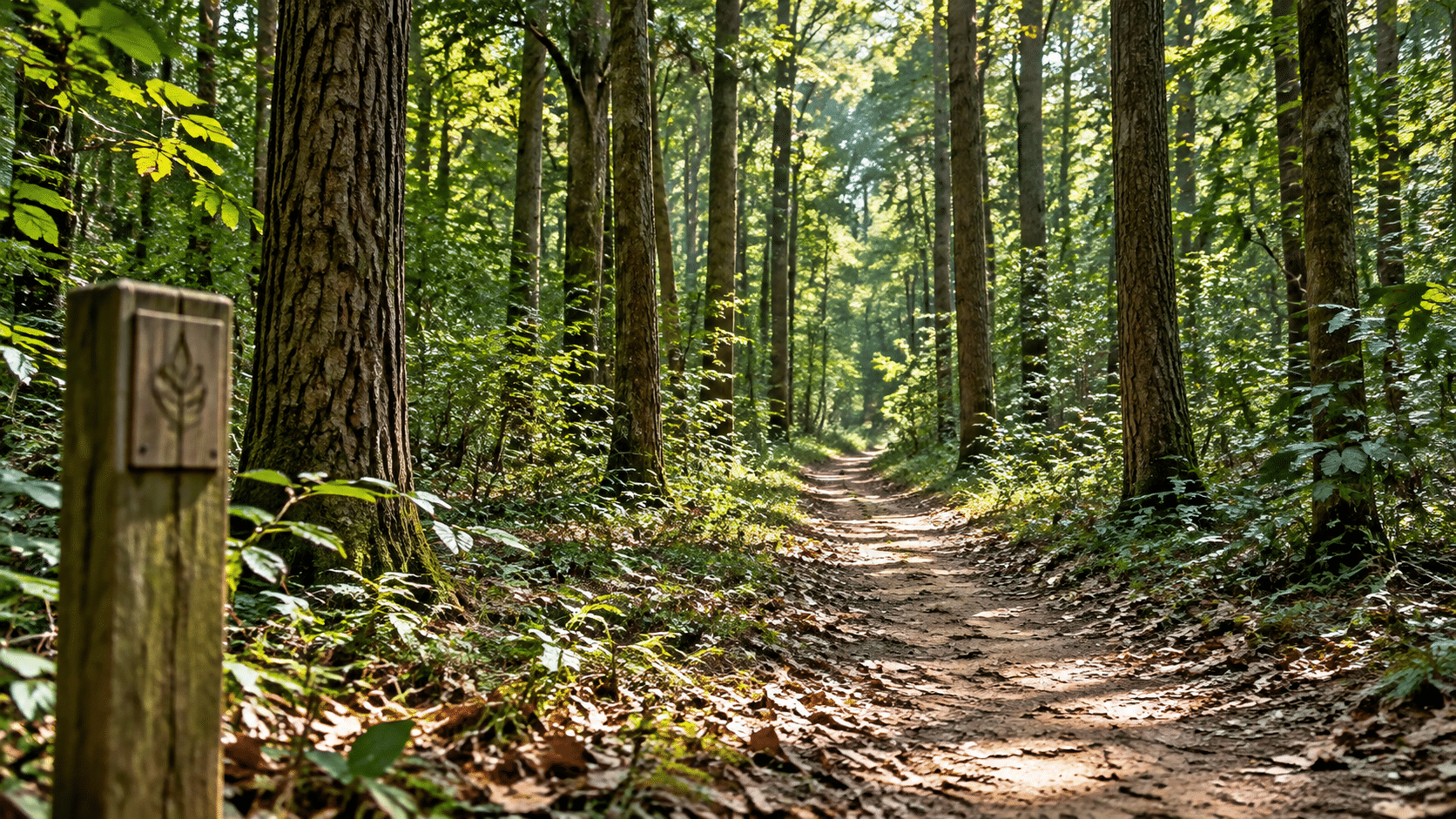
A Bhawal forest walk is the simplest way to feel the difference between a park and an actual forest. Once you’re a few hundred metres past the entrance, the road noise drops away, the temperature falls a few degrees under the sal canopy, and the walk becomes less about reaching a destination than about paying attention to what’s around you, deer tracks in the dirt, birdsong overhead, the particular quiet of a forest that’s been standing for generations.
What you actually do
This experience is a self-paced walk along Bhawal National Park’s network of trails, looping past artificial lakes, picnic clearings, and a watchtower that gives a rare elevated view over the canopy. There’s no fixed route, shorter loops near the entrance suit a casual hour, while pushing further in rewards you with quieter trails and a better chance of spotting spotted deer or troops of monkeys moving through the trees.
Who it suits
Families, photographers, and anyone who wants a break from Dhaka without leaving the day trip radius. It’s an easy walk rather than a strenuous hike, so it works for most fitness levels, though the ground is uneven and unpaved in stretches, which rules it out for wheelchairs or strollers on the longer loops. Bird and wildlife photographers get the most out of an early start, before the weekend picnic crowds arrive.
What to bring
Closed shoes rather than sandals, since the forest floor is uneven and occasionally muddy near the lakes. Water, since there’s limited food and drink available once you’re away from the entrance. Insect repellent is worth packing, and binoculars if birdwatching is a priority. A hat and sun protection matter even under canopy, since clearings and lake edges get direct sun.
Timing it right
Weekday mornings give you the forest closest to empty. Weekends bring heavy footfall from Dhaka families, which isn’t a problem if you want company and a livelier atmosphere, but it does mean less wildlife visibility and busier trails near the entrance.
This walk pairs naturally with a stop at nearby Bhawal Rajbari, the former palace whose royal hunting grounds this forest once was.