
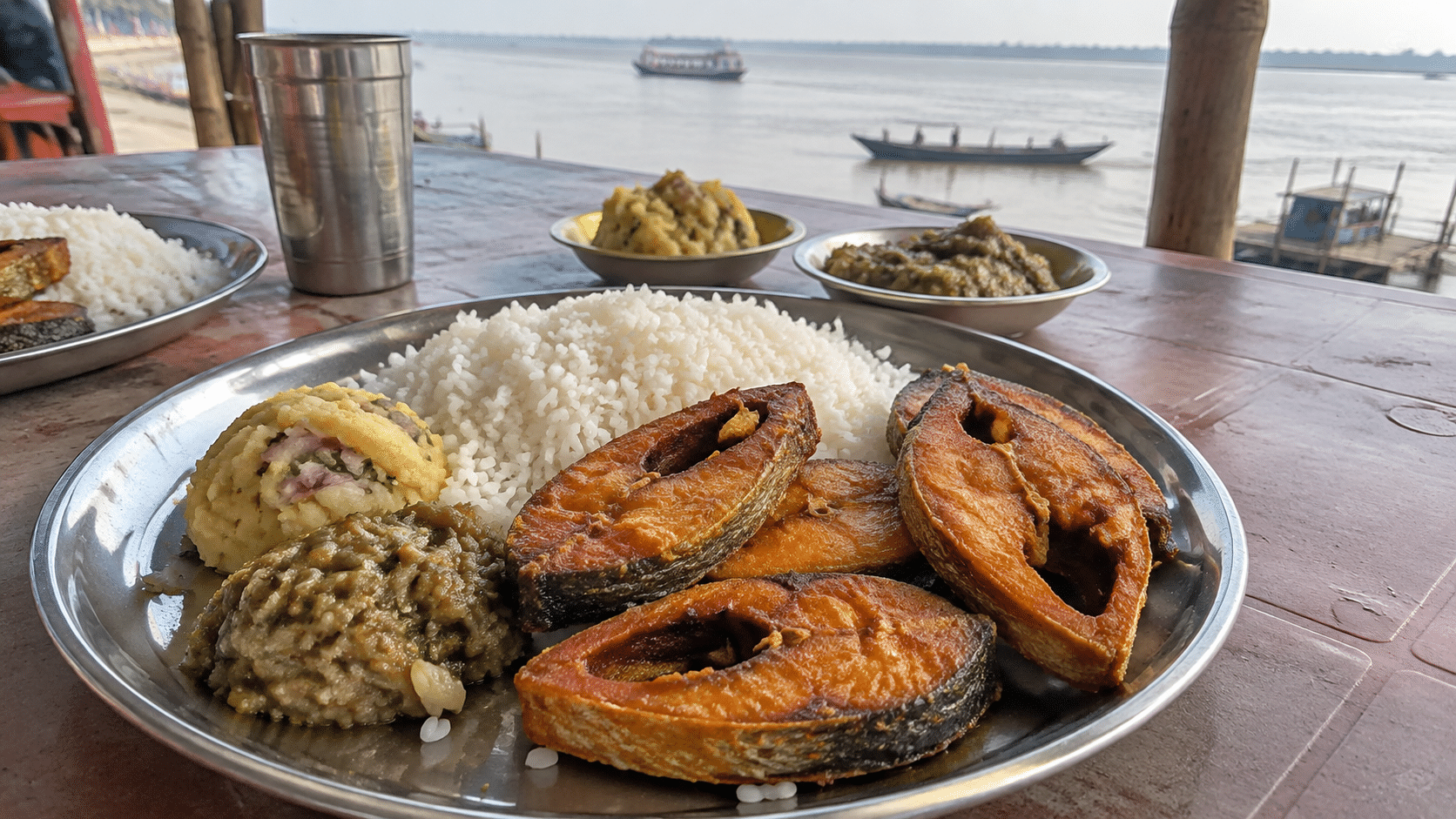
Eating ilish at Mawa Ghat is one of the most loved day trips from Dhaka, and it is not just about food. It is about choosing your fish at the riverbank, watching the Padma go by and sitting down to a plate of hot rice with fresh hilsa. If you want to do it like a local, this guide shows you how to choose, order and enjoy ilish at Mawa Ghat without falling for the common traps.
Why Ilish at Mawa Ghat Is So Popular
Ilish, or hilsa, is the national fish of Bangladesh, and the Padma is famous for it. Mawa Ghat sits in Louhajang, Munshiganj, about 50 kilometres from Dhaka, and its fish sellers and riverside restaurants have made the place a food destination for city families. Since the Padma Bridge opened, the trip has become even easier.
How to Choose Fresh Ilish at Mawa Ghat
Buying at the source is half the fun, but it helps to know what to look for.
- Shiny, silvery skin that is not dull or scratched
- Bright red gills and clear eyes
- Firm flesh that springs back when pressed
- No strong smell
Be careful with look-alike fish. Travel writers warn that yellowish sea sardine, called chandana, is sometimes sold as ilish. Ask the price per kilo before the fish is weighed, and ask the restaurant what it charges for cooking. An older guide from 2020 reported about BDT 500 for a medium-sized ilish and roughly BDT 450 to 550 per person for a shared meal, but prices change with season and size, so treat those as rough hints only.
How to Order Ilish at Mawa Ghat Like a Local
Many visitors buy the fish first and hand it to a riverside restaurant to cook. A classic order looks like this:
- Ilish bhaja, which is fish fried until the skin is crisp
- Ilish curry, cooked with spices and a rich gravy
- Ilish egg fry, if the fish carries eggs
- Mashed potato and mashed eggplant on the side
- Plain rice served on a plate, which is easier for sharing
A tip from an earlier visitor: ask for the mashed tail and eggs to be prepared for you too. Restaurants near Mawa Ghat often oblige.
Best Season for Ilish at Mawa Ghat
Ilish tastes best in the monsoon months, from July to September. Bangladesh also closes hilsa catching for a short period in October to protect breeding, so fish can be scarce then. If you plan a trip in that window, check the current dates first. In winter, the riverside is more pleasant for sitting and walking, even if the fish is less famous.
Turn Ilish at Mawa Ghat into a Full Day
The best part of eating ilish at Mawa Ghat is that lunch does not have to be the end of the trip.
After lunch, walk along the riverbank or take a short boat ride on the Padma. The Padma Bridge is close, and it looks best in the late afternoon. You can also ride from Mawa to Gadighat by auto-rickshaw for an Arial Beel boat trip, which is a popular combination for a single day.
Tips for Enjoying Ilish at Mawa Ghat
- Eat slowly. Ilish at Mawa Ghat has many fine bones, so take extra care with children.
- Agree the cooking charge before you order, and ask for a receipt.
- Go early on weekdays for ilish at Mawa Ghat, since weekends and holidays get crowded.
- Wash your hands before eating, and carry water and tissues.
- Take your rubbish with you and keep the riverbank clean.
Frequently Asked Questions
Where can you eat ilish at Mawa Ghat?
Riverside restaurants and stalls near the ghat cook fresh ilish. Many will cook the fish you buy from the bazaar.
What is the best time to eat ilish at Mawa Ghat?
July to September is the peak season, but check for the October fishing pause before you go.
How far is Mawa Ghat from Dhaka?
It is about 50 kilometres, and the trip takes one to two hours depending on traffic.