
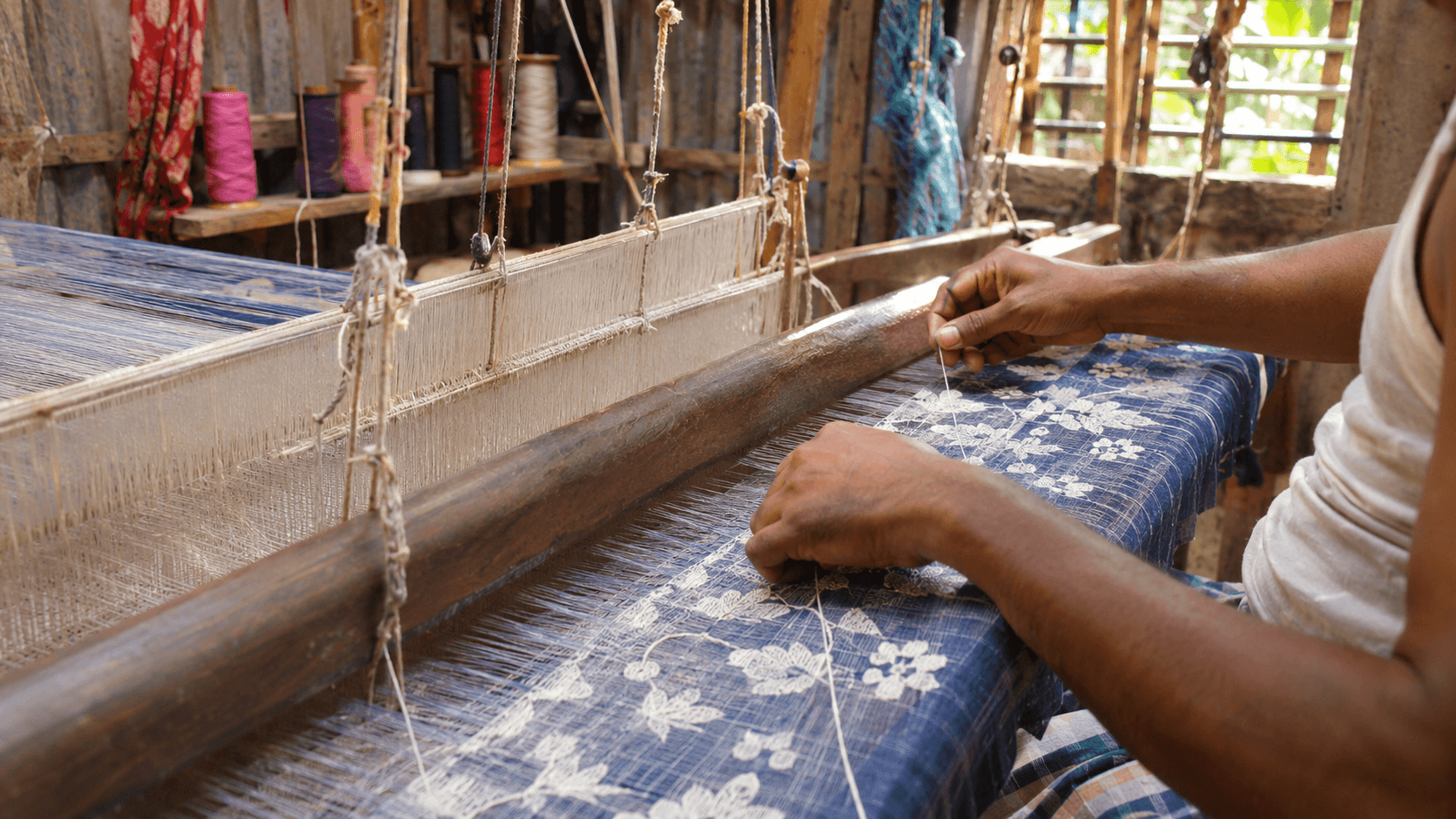
A Jamdani weaving tour in Rupganj is one of the most hands-on cultural experiences you can have near Dhaka. In a few hours, you can step into working weaving homes, watch patterns appear thread by thread, and understand why a single Jamdani sari can take weeks to finish. This Jamdani weaving tour suits curious travellers, photographers, families and anyone who loves textiles.
What Is a Jamdani Weaving Tour?
It is a simple, self-guided or locally guided visit to the weaving clusters of Rupganj, along the Shitalakshya River. Jamdani is a hand-woven fabric known for motifs woven directly into the cloth, and UNESCO recognises the traditional art of Jamdani weaving as Intangible Cultural Heritage of Humanity. A good Jamdani weaving tour is not a show. It is a visit to working neighbourhoods where families have woven for generations.
Where the Jamdani Weaving Tour Happens
- Rupshi village: A traditional weaving village in Rupganj where much of the work happens inside family homes.
- Jamdani Palli at Noapara: The BSCIC weaving estate in Tarabo, built in 1991, where about 1,600 weavers are reported to live and work.
Many visitors combine both on one Jamdani weaving tour, starting with the estate for easy access and ending in the village lanes for a quieter feel.
What You Will Do and See on a Jamdani Weaving Tour
- Watch a loom at work. The loom is quiet. It is worked by hands and feet, and the weaver adds each motif by hand while the base fabric grows slowly.
- Look at the thread and pattern. Notice how floral and geometric designs appear inside the cloth, not printed on top of it.
- Ask questions. Weavers are often happy to explain how long a piece takes, and how design and thread change the price.
- See the finished work. Workshops and small shops show completed saris, so you can compare handloom pieces side by side.
- Buy if you wish. Buying from the makers helps the craft, but there is no pressure to purchase.
On a fine design, a master may finish only a small stretch of cloth in a day, and one report says a standard piece can take around two months. Watching that patience is the real highlight of any Jamdani weaving tour.
How Long Does a Jamdani Weaving Tour Take and What Does It Cost?
Plan three to five hours for the Jamdani weaving tour, including travel from Dhaka. The visit itself is usually free, since you are visiting working homes, but keep money for transport, snacks and any purchase. Prices of saris vary widely with design and thread, so compare before you buy and ask whether a piece is true handloom Jamdani.
Best Time for a Jamdani Weaving Tour
October to March is the most comfortable period. Weekdays are the best days to watch weavers at work, because the Friday market takes over the estate on Friday mornings, and some workshops are quieter on that day. In the weeks before Eid and during the wedding season, weavers are very busy, so be patient and respectful.
How to Reach the Weaving Areas
For Jamdani Palli, travel on the Dhaka to Sylhet highway to Noapara in Tarabo, about three kilometres north of Kanchpur Bridge, and take a CNG auto-rickshaw or rickshaw for the last stretch. For Rupshi, one common route is to cross Demra Bridge and reach Rupshi bus stand, then continue into the village by rickshaw. Ask locals for weaving homes that welcome visitors.
Tips for a Respectful Jamdani Weaving Tour
- Ask before photographing weavers or their work.
- Do not touch unfinished cloth or threads on the loom.
- Keep your voice low, because weavers need concentration.
- Carry cash, water and a hat.
- Ask for a clear receipt if you buy an expensive piece.
Who Will Enjoy This Experience?
A Jamdani weaving tour suits textile lovers, photographers, students of design and families with older children. If you have only a day, pair it with Zinda Park or Murapara Rajbari in the same upazila. For the places behind this experience, see our Jamdani Palli and Rupganj Jamdani Village and Eco Retreat Belt guides.