
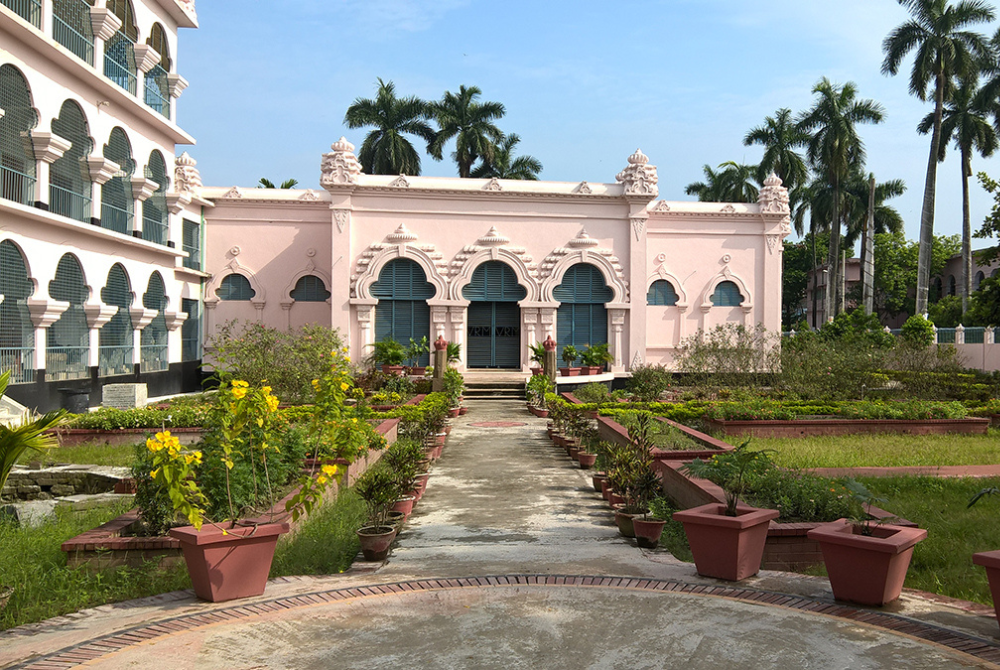
Varendra Museum, officially the Varendra Research Museum, is the oldest museum in Bangladesh. Founded in 1910 in Rajshahi, it grew out of the Varendra Research Society and is now maintained by Rajshahi University. It holds ancient stone sculptures, inscriptions, coins and terracotta, plus relics from the Indus Valley civilization and Somapura Mahavihara (Paharpur).
Picture a small group of friends in Rajshahi, more than a hundred years ago. They travel to villages, look at broken statues half-buried in fields, and decide that this history must not be lost. Their plan was simple: collect it, protect it and study it. That plan became the Varendra Museum, and today it sits in the heart of Rajshahi city as a living record of northern Bengal.
Varendra Museum at a Glance
- Official name: Varendra Research Museum (বরেন্দ্র জাদুঘর)
- Location: Rajshahi city, Rajshahi Division
- Founded: 1910, by the Varendra Research Society
- Current name since: 1919
- Managed by: Rajshahi University (since 1964)
- Known for: Pala-era sculptures, inscriptions, Indus Valley relics and items from Somapura Mahavihara
Varendra Research Museum: An Overview
Varendra Museum, in Rajshahi, is the country’s oldest museum, established in 1910. It started as the collection of the Varendra Anushandhan Samiti (Varendra Investigation Society) and took its present name in 1919. The Daily Star calls it the first museum of Bangladesh, and it was also the first museum in erstwhile East Bengal.
Its shelves hold a wide range of artifacts, and many came from donations by the Rajahs of Rajshahi and Natore, including Prince Sharat Kumar Ray. Today, Varendra Museum is one of the most important cultural and historical attractions in northern Bangladesh.
History of the Varendra Research Museum
What “Varendra” Means
Varendra, also known as Barind, was a region of Bengal that is now part of Bangladesh. It covered the area of the old Pundravardhana, or Pundra Kingdom. Roughly, the Ganges and the Mahananda formed its western edge, the Karatoya its eastern edge, the Padma its southern edge, and the land between Koochbihar and the Terai its northern edge. The Varendra Brahmins came from this region. It is sometimes called Janakabhu, meaning “fatherland”.
The region was once a thriving centre of the ancient Indian subcontinent. Under the Pala dynasty, a distinct school of artisans became widely known here, and art continued to flourish until the time of the Sena dynasty. You can still see the result in the museum’s stone sculptures.
The Founders and the Varendra Research Society
Aware of how much history lay unprotected, the educated citizens of Rajshahi set up the Varendra Research Society in 1910. Its founders included Kumar Sarat Kumar Ray of the Dighapatiya royal family, the lawyer and historian Akshay Kumar Maitreya, and Ramaprasad Chanda, a scholar of history, art and archaeology. They explored villages around Rajshahi and dug up historical objects.
Kumar Sarat Kumar Ray believed that if Rajshahi had an archaeological research centre, the finds should form the core of a local museum. So the team set out to collect, preserve and study the history and culture of ancient and medieval Bengal, especially the Varendra region. According to Banglapedia, the Kumar also promised Rs 200 a month to keep the collection going, which shows how personal this effort was.
From Society Collection to University Museum
The Varendra Research Society and its museum began in Rajshahi in 1910, and the society served as its owner and caretaker. The museum was registered in 1914 under the Societies Registration Act of 1860. In 1911, the Indian Museum in Calcutta demanded the rarest specimens, which put the young museum’s future at risk. It survived, and the early collection was renamed Varendra Museum in 1919.
In 1923, the society worked with the University of Calcutta and began excavations at Sompur Bihara, now known as Somapura Mahavihara in Paharpur. In 1964, the museum became part of Rajshahi University, which still looks after it today.
Varendra Research Museum Collection
Varendra Museum holds a collection that spans many periods and cultures. The Business Standard has reported that it keeps around 19,000 artifacts, though only a small share, about 1,427 pieces, can be shown at one time because of limited space. Read the full report on the Business Standard website. The gallery guide below follows the main displays:
- Gallery One: Relics of the Indus Valley civilization, 265 items from Sompur (Paharpur), and old Sanskrit, Arabic and Persian scripts.
- Gallery Two: Buddhist and Hindu stone sculptures, along with later wood sculptures.
- Galleries Three and Four: Stone sculptures of Hindu deities.
- Gallery Five: Mainly Buddhist sculptures.
- Gallery Six: Arabic, Persian, Sanskrit and old Bengali stone inscriptions, and sculptured stones from the Muslim era.
A newly added gallery also highlights the indigenous and tribal culture of the Rajshahi region. Varendra Museum also keeps coins, terracotta plaques, manuscripts and old documents, which makes it a working research centre as well as a place to visit.
Planning a Visit to Varendra Museum
Varendra Museum sits at the heart of Rajshahi city, so it is easy to add to a day in town. Opening days, hours and entry fees can change, so confirm them with Rajshahi University or the museum office before you go. Allow at least an hour for the galleries, and keep time to read the labels on the sculptures.
You can pair Varendra Museum with a trip to Somapura Mahavihara and Mahasthangarh, since Varendra Museum holds objects linked to these ancient sites. For more ideas, browse our historical sites and archaeological sites in Bangladesh. If the terracotta caught your eye, see our guide to arts and crafts in Bangladesh, and read our tips on local transport before you travel.
Frequently Asked Questions About Varendra Museum
What is Varendra Museum?
Varendra Museum, officially the Varendra Research Museum, is a museum and research centre in Rajshahi, Bangladesh. It is maintained by Rajshahi University and is considered the oldest museum in the country.
When was Varendra Museum established?
The Varendra Research Society and its museum were established in 1910. The collection took the name Varendra Museum in 1919.
Who founded Varendra Museum?
Kumar Sarat Kumar Ray, Akshay Kumar Maitreya and Ramaprasad Chanda founded the Varendra Research Society, which created the museum.
Where is Varendra Museum located?
Varendra Museum is in the heart of Rajshahi city in north-western Bangladesh.
What can you see at Varendra Museum?
You can see Buddhist and Hindu stone sculptures, inscriptions in Sanskrit, Arabic, Persian and old Bengali, coins, terracotta plaques, Indus Valley relics and items from Somapura Mahavihara in Paharpur.
Who owns and manages Varendra Museum today?
Rajshahi University manages the museum. It became part of the university in 1964.
Final Thoughts on Varendra Museum
Varendra Museum shows what a few curious people can save when they care enough. Inside its galleries, Pala-era gods, Persian farmans and ancient scripts sit quietly side by side, each one rescued from the soil of northern Bengal. Give it an unhurried morning, look closely, and you will leave with a better feel for the region’s past. To keep exploring, visit our pages on places to visit in Bangladesh and travel experiences.