

Bagerhat District is in southwestern Bangladesh, in the Khulna Division. It covers 3,959 square kilometres, is home to about 1.6 million people, and holds the UNESCO-listed Mosque City of Bagerhat, built in the 15th century under Khan Jahan Ali. It also touches the Sundarbans and hosts the Port of Mongla.
If you want one place in Bangladesh where history, river life and mangrove wilderness sit side by side, Bagerhat District is a strong pick. This guide covers its geography, history, people, economy, top places to visit and how to get there, with the numbers checked against the 2022 census.
Bagerhat District at a Glance
- Division: Khulna
- Area: 3,959 square kilometres
- Population (2022 census): 1,613,076 counted people in 408,840 households
- Literacy rate: 81.42%, above the national average of 74.80%
- Famous for: The Mosque City of Bagerhat (UNESCO World Heritage Site since 1985), the Sundarbans and the Port of Mongla
- Upazilas: 9
Geography of Bagerhat District
Bagerhat District is bordered by Gopalganj and Narail in the north, Pirojpur and Barguna in the east, Khulna in the west and the Bay of Bengal in the south. Many rivers cross it, including the Panguchi, Daratana, Madhumati, Pasur, Haringhata, Mongla, Baleshwar, Bangra and Goshairkhali. These rivers keep the land green and make boat travel a normal part of daily life. The southern edge meets the Sundarbans, the largest mangrove forest in the world.
History of Bagerhat District
The story of Bagerhat is really the story of one man, Khan Jahan Ali. He lived in the 15th century and is remembered as a governor, a military leader and a Sufi saint. Historians still debate where he came from. His title “Ulugh Khan” hints at a Turkic background, but this is a suggestion, not settled fact. Some accounts say he moved to Bengal after Timur took Delhi in 1398, and Sultan Mahmud Shah of Bengal later gave him a forest grant in the Sundarbans area.
He first stayed at Barobazar, a place earlier called Champanagar, then cleared the forest, built embankments against salt water and developed the land into a town. The area was known as Khalifatabad, a name that appears on sultanate coin inscriptions. He is credited with the mosques, roads and water tanks (dighi) that still stand today. He died on 25 October 1459.
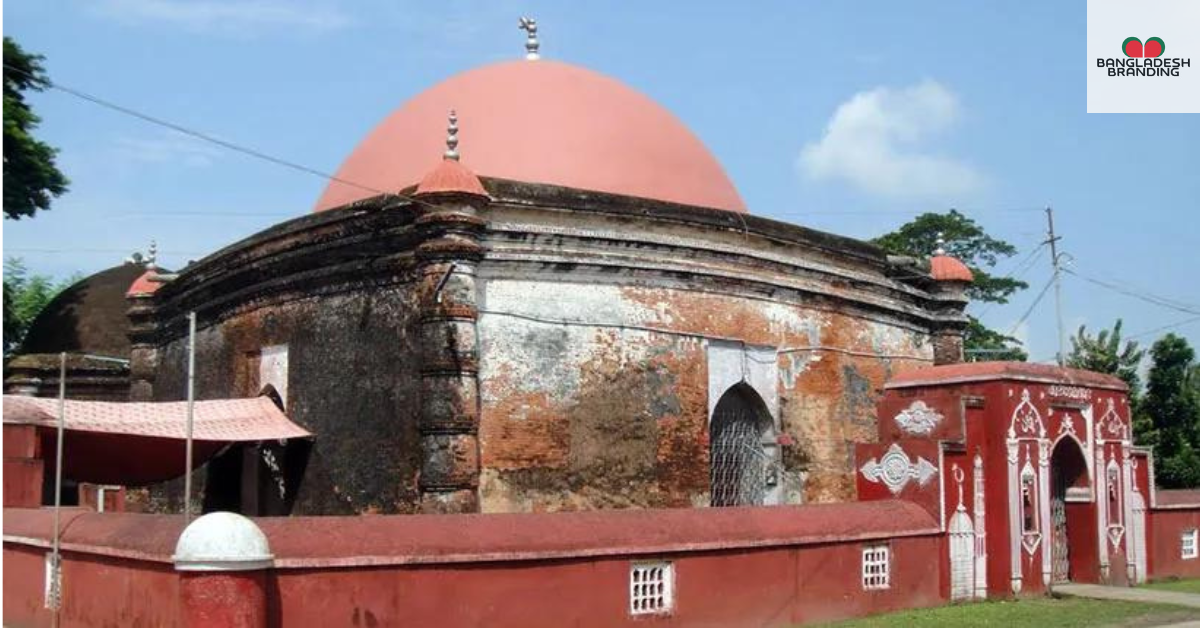
Khan Jahan Ali did more than build. People remember him as a spiritual guide who earned respect from everyone he met. Why he built a mosque city is still discussed, but many believe he wanted a calm place where people could live, pray and learn in peace. Even today he is highly regarded in Bangladesh, and visitors from across the country come to his shrine.
His tomb is a single-dome building with a small mosque attached to it, and the shrine remains a place of pilgrimage.
Stories grew around the site too. The pond beside the tomb is home to crocodiles, and local tradition says they descend from two crocodiles linked to Khan Jahan Ali himself. This is folklore, not recorded history, but it is part of why visitors remember the place.
After his death the city slowly lost its importance. Even so, it remains one of the best places in the country to study the Islamic history and daily life of the 15th century. UNESCO added the Mosque City of Bagerhat to its World Heritage List in 1985. Note for readers: some older web pages give 1973, but that date is incorrect.
People and Demographics
The 2022 Census of Bangladesh counted 1,613,076 people in Bagerhat District, living in 408,840 households, which is about 407 people per square kilometre. (A few data sites show a slightly different total of 1,649,874, so treat the figure as approximate.) The literacy rate is 81.42%, well above the national average of 74.80%. About 24% of the population lives in urban areas.
Religion in Bagerhat District
Islam is the main faith, followed by 83.25% of people, while Hindus make up 16.38%. District records list 7,815 mosques, 238 temples, 17 churches and seven tombs. The best known places of worship are the Sixty Dome Mosque (also called Shat Gombuj Masjid) and the tomb of Khan Jahan Ali. To read more about the mosque, see our guide to the Sixty Dome Mosque in Bagerhat.
Economy of Bagerhat District
The Port of Mongla is in Bagerhat District and is one of the two main sea ports of Bangladesh. The upazilas of Rampal and Fakirhat are known for shrimp farming, which brings in export income. Rivers and fertile delta land also support farming and local trade.
Top Places to Visit in Bagerhat District
The Mosque City of Bagerhat
Most visitors start here. Local guides and travel writers usually suggest this order:
- Sixty Dome Mosque (Shat Gombuj): The largest mosque of the city, on the bank of Ghora Dighi. Sources give different dome counts (74, 77 and 81), so we avoid one fixed number.
- Singair Mosque: A small, old, single-dome mosque near the Sixty Dome Mosque.
- Khan Jahan Ali’s Tomb and Khanjali Tank: The shrine and the crocodile pond.
- Nine Dome Mosque: At one corner of the tank, with nine domes held up by stone pillars.
- Bibi Begni Mosque: A single-dome mosque near Barakpur. Who built it is still uncertain.
- Chunakhola Mosque: Known for its terracotta brickwork.
- Ronobijaypur Mosque: A single-dome mosque said to have one of the largest domes in Bangladesh.
Other Sights in Bagerhat District
- Port of Mongla: The busy sea port of the south.
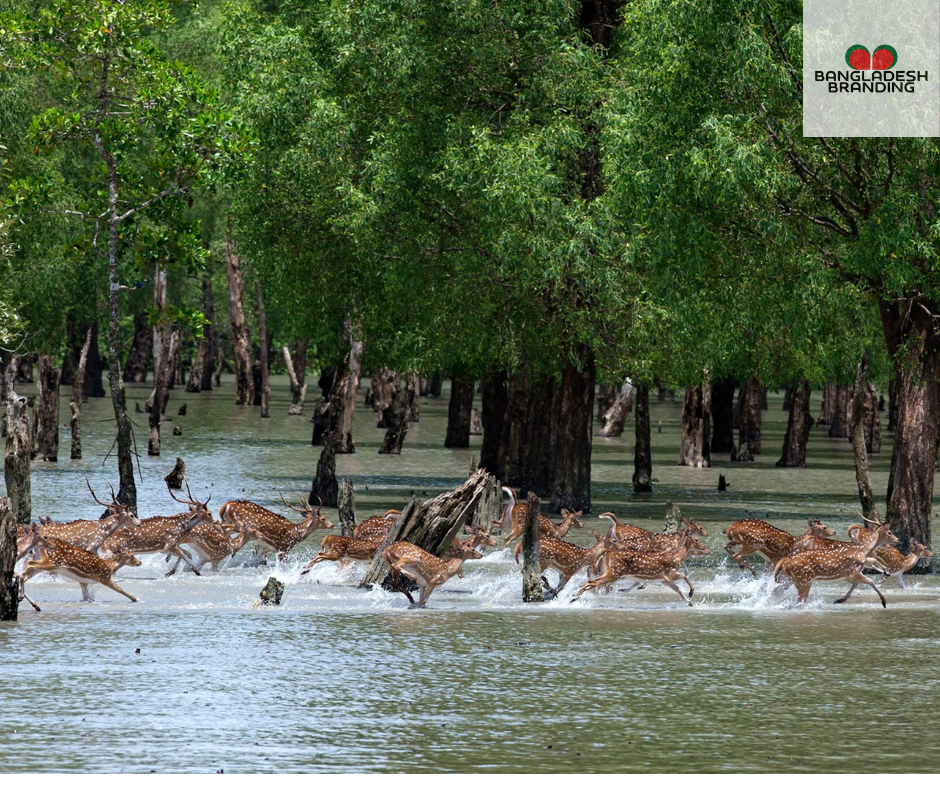
- The Sundarbans: The southern part of the district meets the mangrove forest. Read our Sundarbans facts guide before you plan a trip.
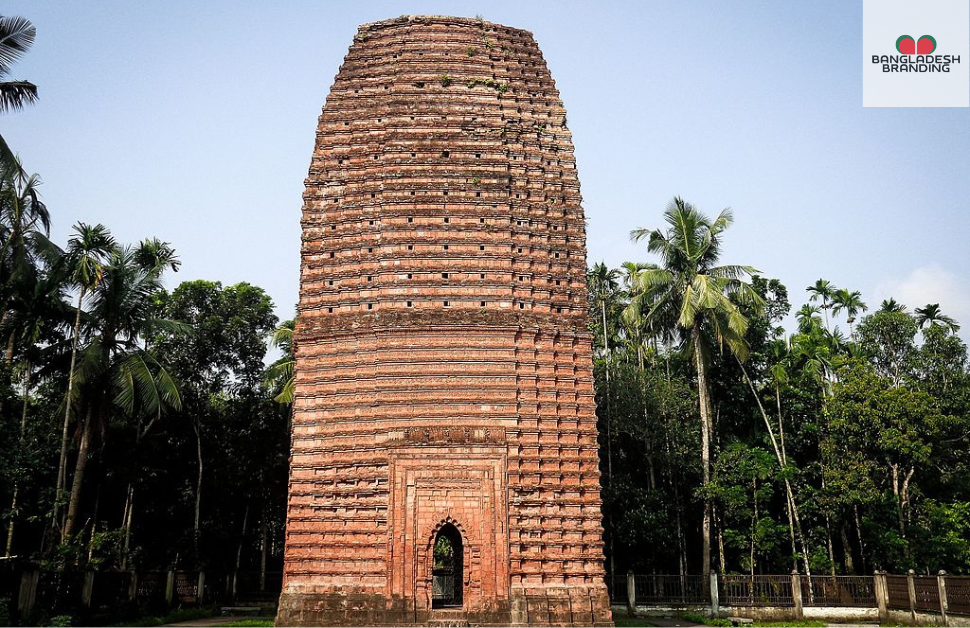
- Kodla Math (also called Ayodha Math): A historic Hindu temple site.
- Local heritage spots: Local lists also mention Durgapur Shiva Math, Dohajari Shib Bari in Fakirhat and the Rajbari of Bangram.
Administration of Bagerhat District
Bagerhat District has 9 upazilas, 78 union parishads, 3 municipalities, 1,031 villages and 689 mouzas. The upazilas are:
- Bagerhat Sadar Upazila
- Chitalmari Upazila
- Fakirhat Upazila
- Kachua Upazila
- Mollahat Upazila
- Mongla Upazila
- Morrelganj Upazila
- Rampal Upazila
- Sarankhola Upazila
How to Reach Bagerhat District
By road: Several bus services run from Dhaka to Bagerhat. Travel time depends on the route and traffic, so ask the operator before you book.
By train and road: Since 24 December 2024, the Jehanabad Express has linked Dhaka and Khulna through the Padma Bridge Rail Link. The trip takes about four hours. From Khulna, Bagerhat is about an hour away by road. Older pages say there is no train to Khulna anymore, but that is outdated.
By air: Some travellers fly to Jashore and then continue by road. Check current flight schedules first.
Once there, auto-rickshaws take you between the mosques, which sit close to each other. Many visitors cover the main sites in one day. Also see our Places to Visit stories and the full places directory for more trip ideas.
Why Bagerhat Is a Strong Heritage Brand
In Brand Equity terms (the value built from awareness and positive associations), Bagerhat already owns one clear association: the “Mosque City”. That UNESCO label gives it instant trust. The next step for local tourism is to link it to more experiences, such as river trips, the Sundarbans and local food, so visitors stay longer than one day.
Frequently Asked Questions
Where is Bagerhat District?
Bagerhat District is in southwestern Bangladesh, in the Khulna Division, with the Bay of Bengal to its south.
Why is Bagerhat famous?
Bagerhat is famous for the Mosque City of Bagerhat, a UNESCO World Heritage Site built by Khan Jahan Ali in the 15th century, and for the Sixty Dome Mosque.
When did UNESCO list the Mosque City of Bagerhat?
UNESCO listed it as a World Heritage Site in 1985.
What is the population of Bagerhat District?
The 2022 census counted 1,613,076 people in 408,840 households, so roughly 1.6 million. A few data sites list 1,649,874.
How many upazilas does Bagerhat District have?
It has 9 upazilas: Bagerhat Sadar, Chitalmari, Fakirhat, Kachua, Mollahat, Mongla, Morrelganj, Rampal and Sarankhola.
How can I go from Dhaka to Bagerhat?
You can take a bus from Dhaka, or take the Jehanabad Express train to Khulna and travel about an hour by road to Bagerhat.
Final Thoughts
Bagerhat District offers a rare mix of 15th century heritage, river landscapes and a gateway to the Sundarbans. Start with the Mosque City, then add the Sundarbans or Mongla for a fuller trip. For more ideas, read about the Sixty Dome Mosque and keep exploring our Places to Visit section.
Sources: 2022 Census of Bangladesh (via the Wikipedia district profile), Mosque City of Bagerhat, Khan Jahan Ali, The Business Standard, Incredible Bagerhat, and the UNESCO World Heritage listing.
1 Comment
Pingback: Bagda Shrimp GI: Bangladesh's Black Tiger Shrimp Guide | Bangladesh Branding